Tea expert & tea consultant - Angela Pryce.
Renowned tea expert, Angela runs an independent tea consultancy service for businesses across the globe. Over the years, Angela has travelled and tasted her way around the world’s tea estates whilst working as a master tea buyer and blender for Twinings.
Angela provides a tea blending and tea tasting service for businesses worldwide. She runs a training service principally for the hospitality industry, and has given numerous tea masterclasses both in the UK and USA. Through her work, Angela writes and speaks about tea, is a tutor at the UK Tea Academy and a judge for the UK’s Great Taste Awards and Tea Brewer’s Cup. She is frequently interviewed on international TV and radio. 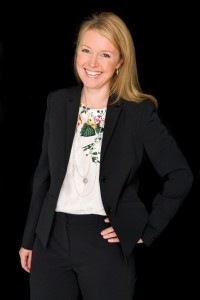
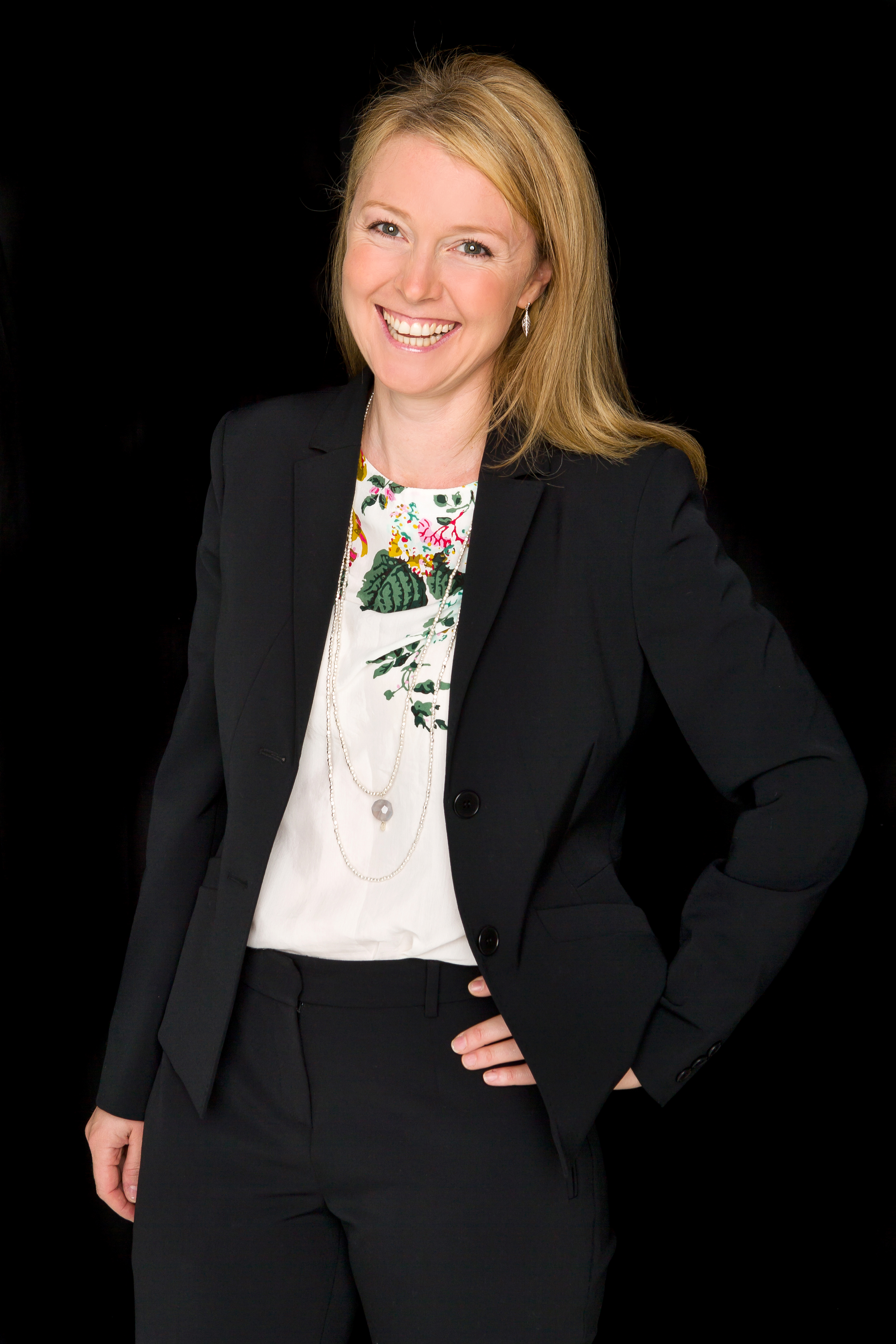
Angela has travelled to the far flung corners of the globe in search of the finest speciality teas. She has travelled to tea estates across Africa, India, Vietnam, China and Sri Lanka. With a training program of at least 5 years, it takes much time and investment to become a qualified buyer and tea expert. There is no tea academy as such, which means that training programs are generally run in house by the larger tea companies. Such companies take on apprentices, and train skills such as commercial acumen, sensory evaluation and supplier relationship management.
The most fundamental skill required is how to taste tea. There are very few people who cannot taste. The challenge is investing the huge amount of time and energy needed to train your palette.
Through taste, a tea expert will be able to identify the country of origin that the tea is from. They will also be able to detect the altitude at which the tea was grown, and even the variety of tea bushes from which it was picked.
There are hundreds of tea tasting descriptors, all of which are universally accepted and used within the tea trade. Descriptors are used for the liquor’s appearance and taste. The dry and infused leaf is also examined and commented on.
Commercial acumen involves having a deep knowledge of the tea markets, and the financial and socio-political climate of the country from which the tea is sourced. Unlike other commodity markets, such as coffee and cocoa, tea is not traded on an open commodity exchange. Tea is generally sold in open auction centres held weekly around the world. Or in some cases, is sold through direct contract between buyer and seller.